
Is the watchmaking industry really a man’s world? Its official pantheon-from Abraham-Louis Breguet to Jean-Marc Vacheron to contemporary masters such as François-Paul Journe and Philippe Dufour-tells a predominantly male genealogy. Also masculine is the language of the images that have built the collective imagination, which speak of large sizes and vigorous wrists, engines and adventurous expeditions told in exquisitely masculine language.
Yet, from the domestic workshops of nineteenth century Switzerland to the verticalized factories of today, watchmaking has benefited from designers, enamellers, engineers, entrepreneurs, creative directors and CEOs.
Some have inherited a big name, like Nayla Hayek, president of Swatch Group and since 2013 CEO of Harry Winston. Others have built it step by step, climbing complex organizational charts, like Chabi Nouri, who after ten years at Cartier, has been at the helm of Piaget since 2017, and since 2024, has been CEO of Bonhams.
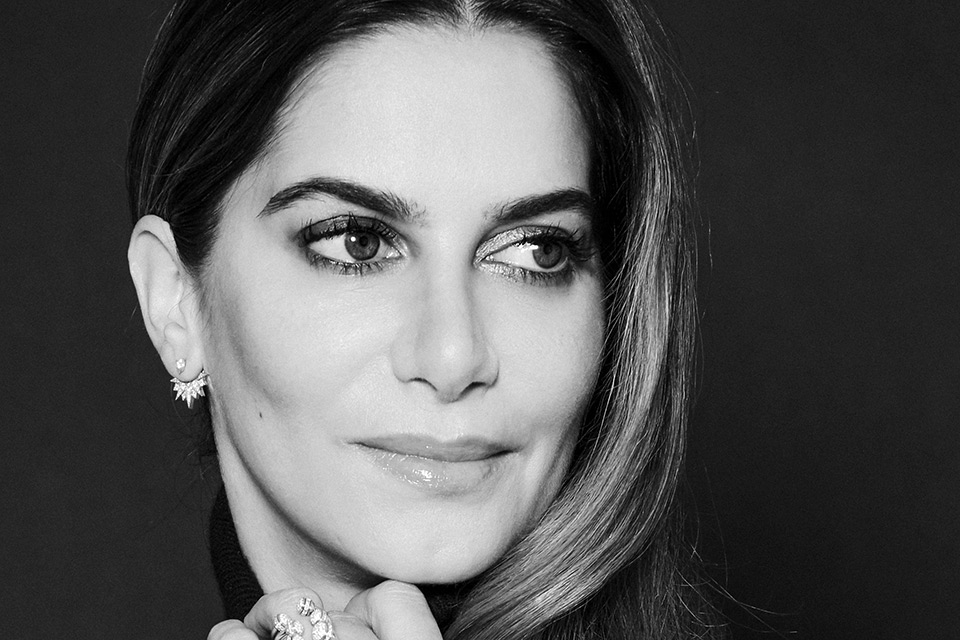
Chabi Nouri, now CEO of Bonhams.
They all bring with them unique and ever-changing stories to tell. “Every woman has her own story,” Livia Russo of Bacs & Russo said in an interview, “and the opportunities in the industry are many for those who wish to seize them.” It’s true. There is no single female trajectory.
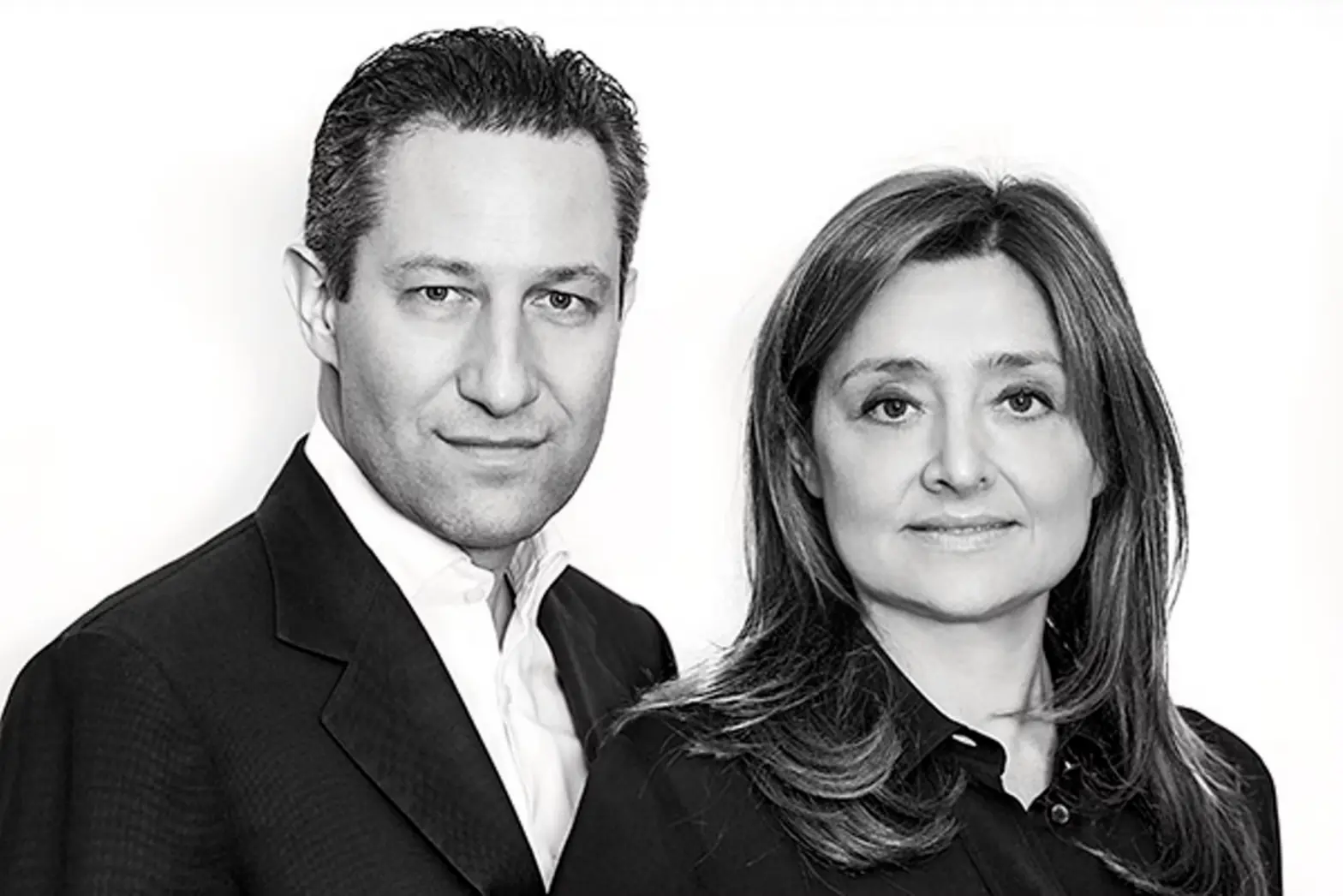
Livia Russo together with her husband Aurel Bacs.
For International Women’s Day, we at IWS have selected seventeen portraits of women. Seventeen stories that celebrate the pride, courage, and intelligence and creative power of women of yesterday and today who have written-and continue to write-the history of watchmaking.
The women who gave life and form to the first wristwatches: from Caroline Murat to Marie Antoinette
To understand what we now call traditional feminine aesthetics in watchmaking, we need to look back to where the gesture of desire preceded the codification of style.
The honor of the first wristwatch in history belongs to Caroline Murat, Queen of Naples and Napoleon’s younger sister. Between 1808 and 1814, Caroline acquired thirty-four watches and pendants, establishing a creative partnership with Abraham-Louis Breguet, who in 1810 conceived a revolutionary timepiece for her: ultra-flat, oval, equipped with a thermometer and mounted on a braided bracelet. It was Caroline Murat ‘s demanding desire that first created an ideal bridge between the pocket watch and the wristwatch, a legacy perpetuated today by Breguet‘s Reine de Naples collection.
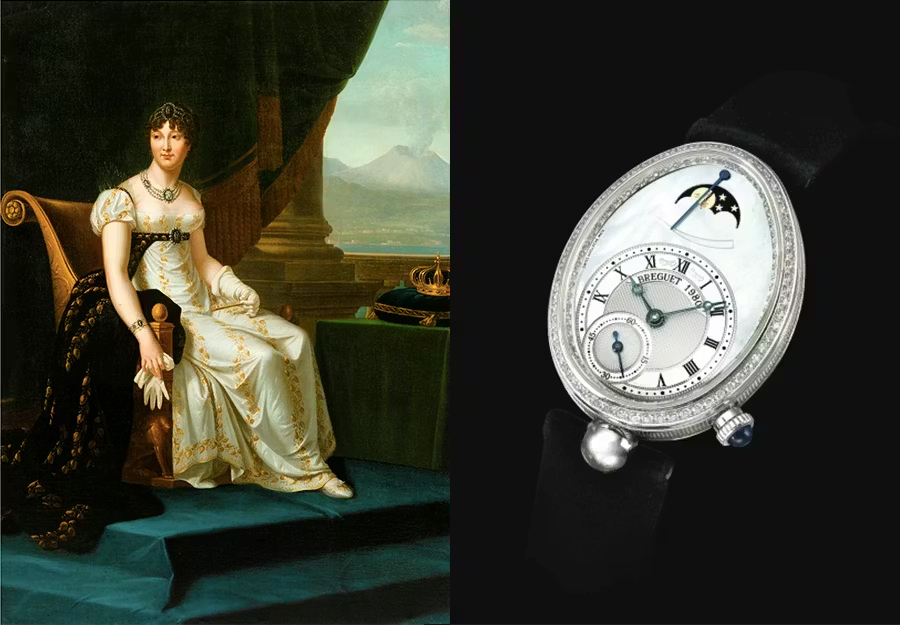
Left: François Gérard or his workshop, Caroline Bonaparte, Queen of Naples-Sicily, 1810-12, oil/canvas, 201.5 x 146.5 cm, private collection. Public domain photo. Right: Breguet, “Reine de Naples” Ref. 8908A with Mondpahse, mother-of-pearl and diamonds, circa 2010. Photo © Sotheby’s
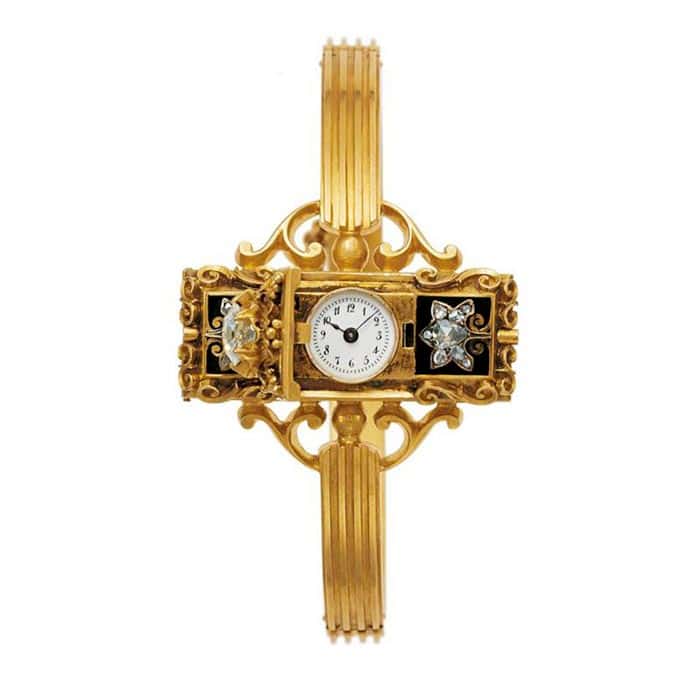
Before that, Marie Antoinette had recognized the talent of the young Breguet, promoting his creations at the French court and legitimizing the watch as an aristocratic and cultural object of desire. A few decades later, in 1868, Patek Philippe made one of the first wristwatches for another woman, the Hungarian Countess Koscowicz. In both cases it was not a simple adaptation of a pendant to a ribbon, but a conscious design act: the transformation of the watch from a pocket object to an intimate, personal, almost corporeal timepiece.
Women pioneers in watchmaking: Amelia Earhart and Mercedes Gleitze
Alongside those who inspired firsts, there are other firsts, those who mark achievements and milestones on the calendars of History. Amelia Earhart is, in the early twentieth century, the first woman pilot to cross the Atlantic.
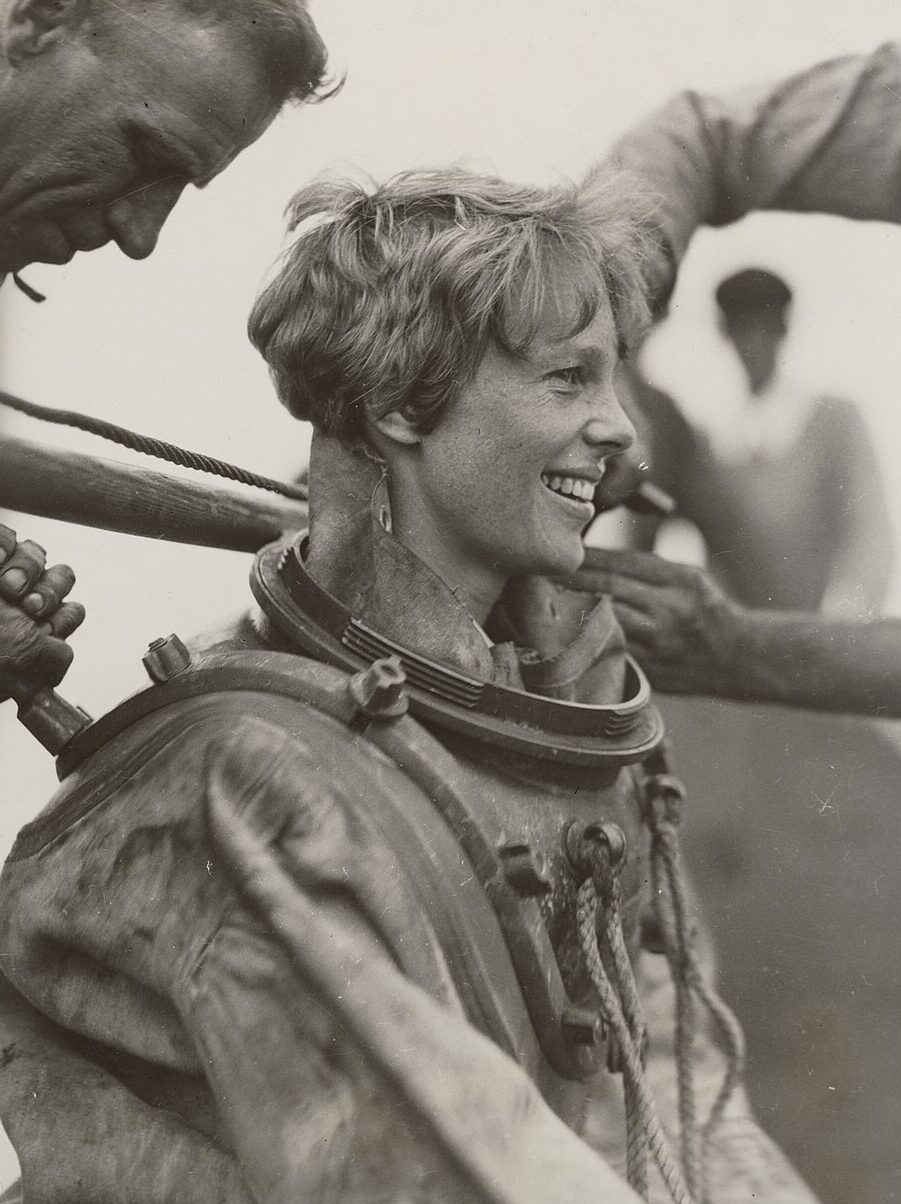
Amelia Earhart prepares for a dive off Block Island, U.S. Information Agency. Description on back: “656265-AN AVIATOR LEARNS THE THRILLS OF DEEP DIVING. BLOCK ISLAND- MISS AMELIA EARHART, STILL THE ONLY WOMAN TO FLY THE ATLANTIC, EMERGES FROM THE BOTTOM OF THE SEA OFF BLOCK ISLAND. 7/25/29.”
During his last flight in 1937 over the Pacific Ocean-which ended in a disappearance still shrouded in mystery he carried precision instruments, including a Longines chronograph with caliber 13.33Z, the technical pinnacle of wrist chronograph measurement at the time.
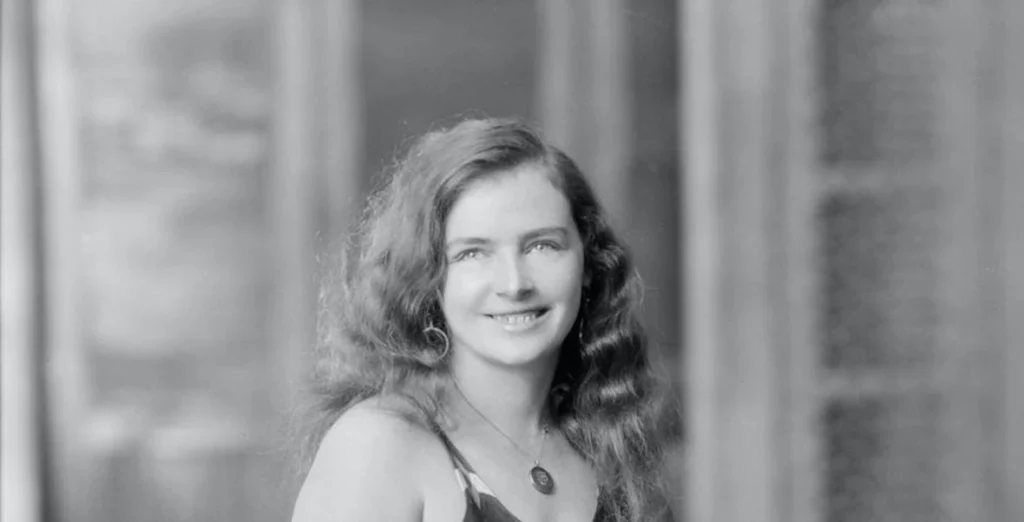
Mercedes Gleitze
And then Mercedes Gleitze, who crossed the English Channel wearing a waterproof Rolex Oyster on October 7, 1927, turning it into a symbol of reliability and global icon.
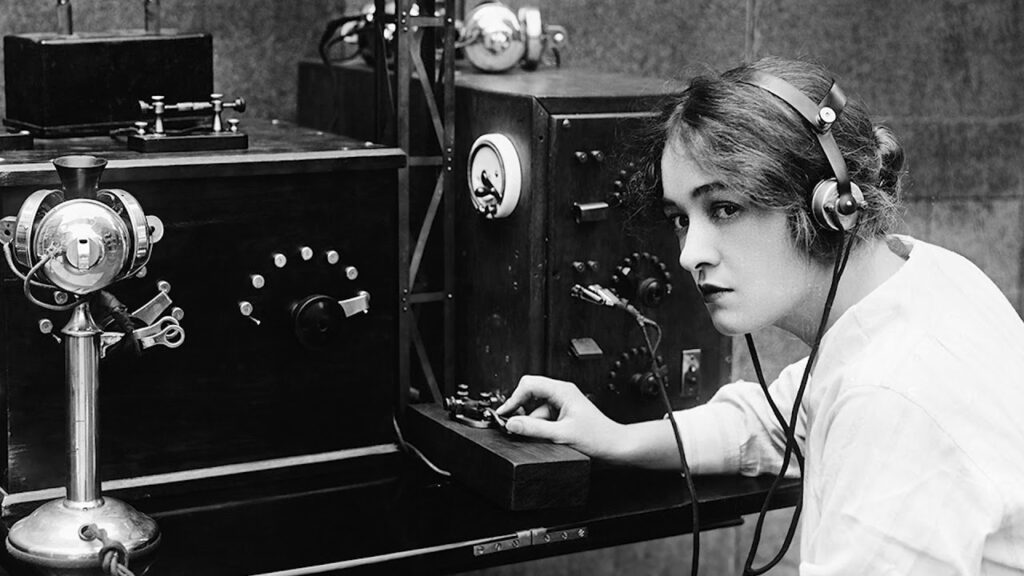
Ruth Belville
It is also the case of Ruth Belville, the “Time Lady” of London, who walked the streets of the city every day carrying the Greenwich Standard Clock to discerning customers, turning precision and dedication into a pioneering profession.
6 talented women artists: enamellers, designers and innovators
“With their smaller hands, women have always done work that men could not do,” Anita Porchet, now among the greatest contemporary enamellers, said years ago in an interview. In 2017 she received the Grand Prix d’Horlogerie de Genève for her outstanding contribution to the art of enameling, shared four-handedly with her mentor Suzanne Rohr.
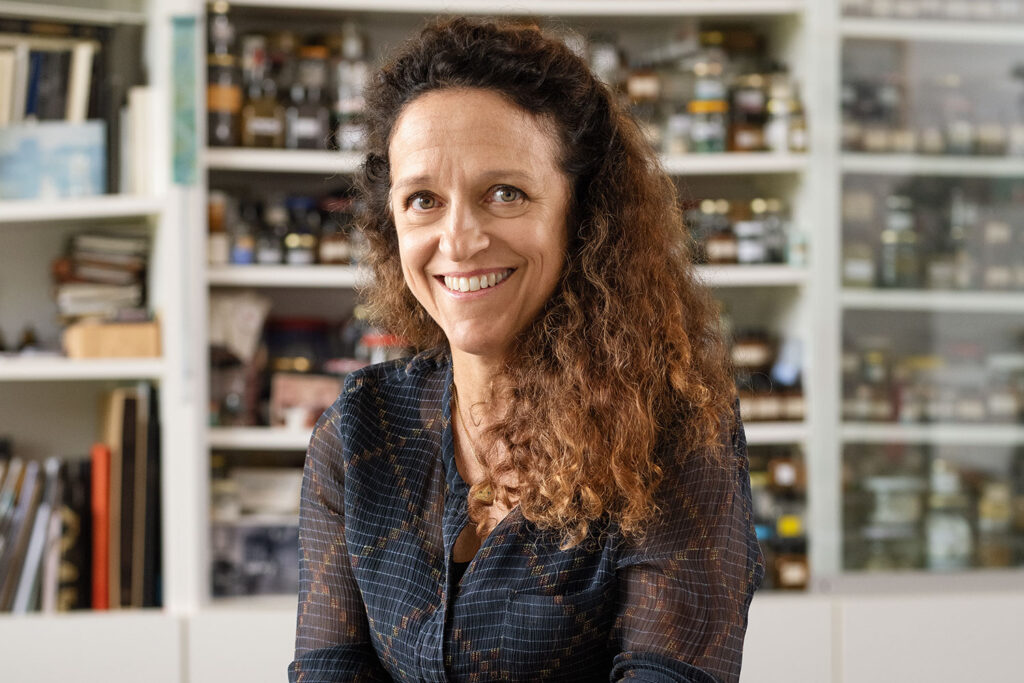
Anita Porchet
From her small, personal atelier in Corcelles-le-Jorat, Anita Porchet has worked for years with maisons such as Patek Philippe, Vacheron Constantin, Hermès, Chaumet, and Chanel. Her techniques-champlevé, cloisonné, grisaille, miniature painting-have transformed the dial into a pictorial microcosm and restored to enamel a centrality that the industry had gradually abandoned.
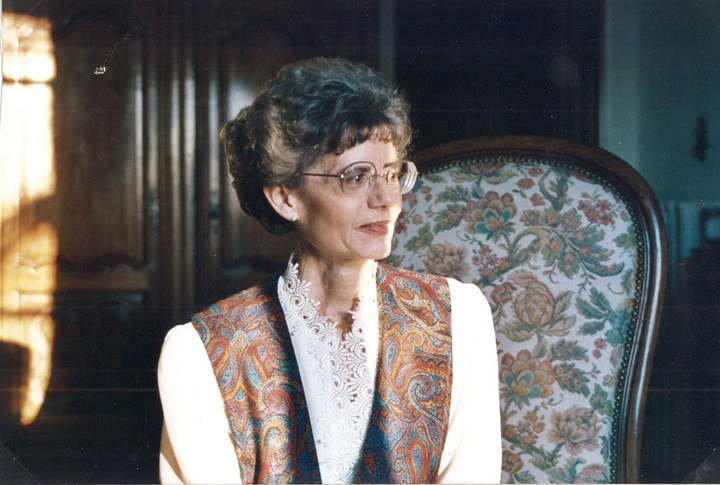
Suzanne Rohr
Annegret Fleischer is another of the important names, linked to the Datograph of 1999: 405 components, four years of development for A. Lange & Söhne, a challenge against the laws of physics. A masterpiece of mechanical architecture that testifies to her mastery of complex structures, followed later by another masterpiece, the Tourbograph “Pour le Mérite.”
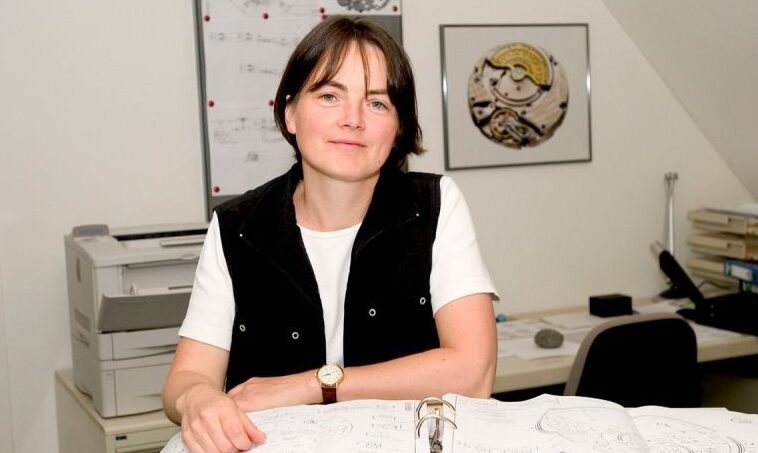
Annegret Fleischer
And then Jacqueline Dimier. Whom in 1975, Audemars Piguet named the first woman to head product design. After her experience at Rolex-where she developed the Cellini line-Dimier reinterpreted Genta‘s Royal Oak in a feminine key, entirely rethinking its proportions and technique without scaling down. The new 29mm version, introduced in 1976 and developed in just two years, was an immediate success. By 1979, one-third of Audemars Piguet‘s production was for women.
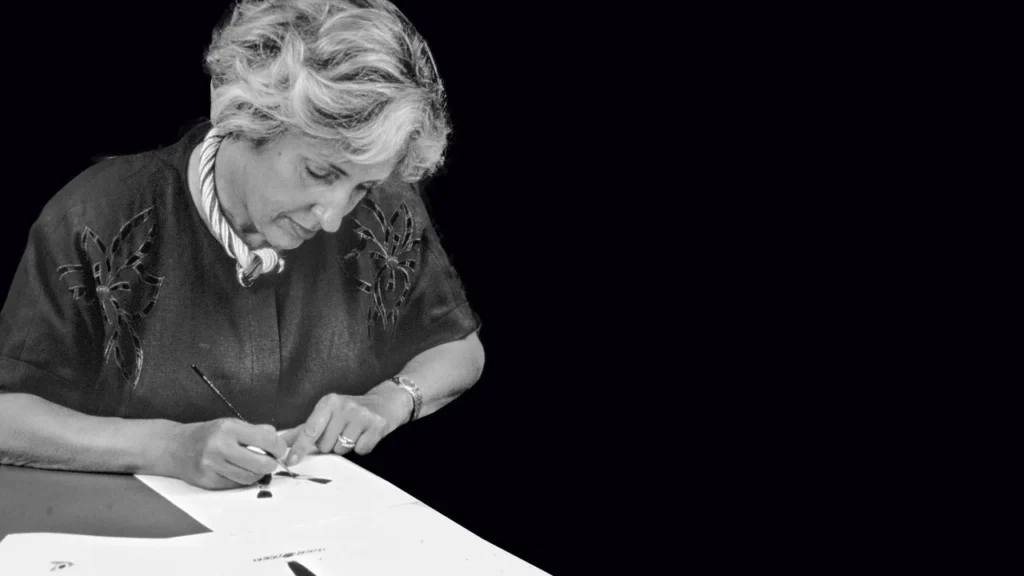
Jacqueline Dimier
Unlike Dimier, Porchet, and Fleischer, Danièla Dufour has talent in her blood, sure, thanks to dad Philippe Dufour. But she is only 20 years old when she presents her Simplicity at Watches & Wonders 2023, after years of training at the École Technique de la Vallée de Joux and long hours in her father’s workshop.
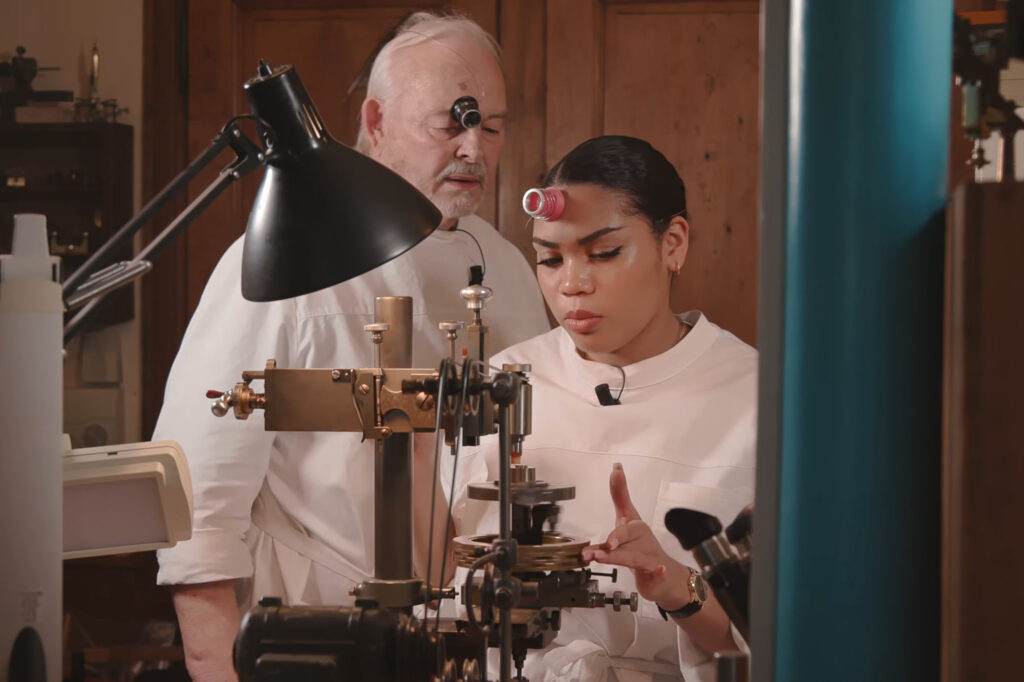
Daniela Dufour with her father Philippe
For her part, Daniela Dafour has never played the “daughter of Philippe Dafour” card: rather, she has chosen to use that direct access to showcase her talent in an area that is still not very inclusive, stronger than prejudice.
Next to her, Venla Voutilainen represents another extraordinary promise of contemporary watchmaking.
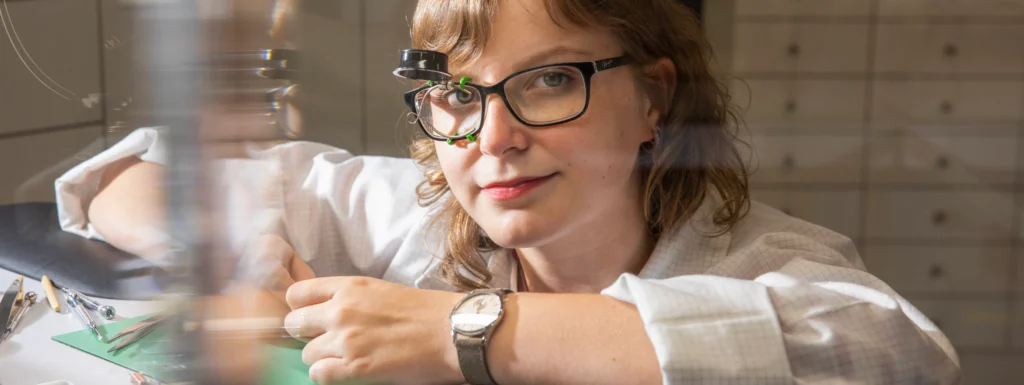
Venla Voutilainen
The daughter of Kari Voutilainen, who now leads Urban Jurgensen, she has carved out her own space in the world of micro-movements and complicated timepieces, bringing a unique artistic sensibility and uncommon technical precision. Today, he is COO of the Maison founded in 1773.
Women at the top of watchmaking in 2026. Where do we stand?
Luxury giant Richemont owns some of the world’s most famous watch manufactures, Vacheron Constantin, Piaget, and IWC Schaffhausen just to name a few. In 2016, Richemont Group Chairman Johann Rupert says he wants to see “less gray Frenchmen” in top management positions. The following year, Chabi Nouri is named the first female CEO of a Richemont Group watch manufacturer, following in the footsteps of Marianne Romestain (since 2014 CEO of Lancel, the first for the Group).
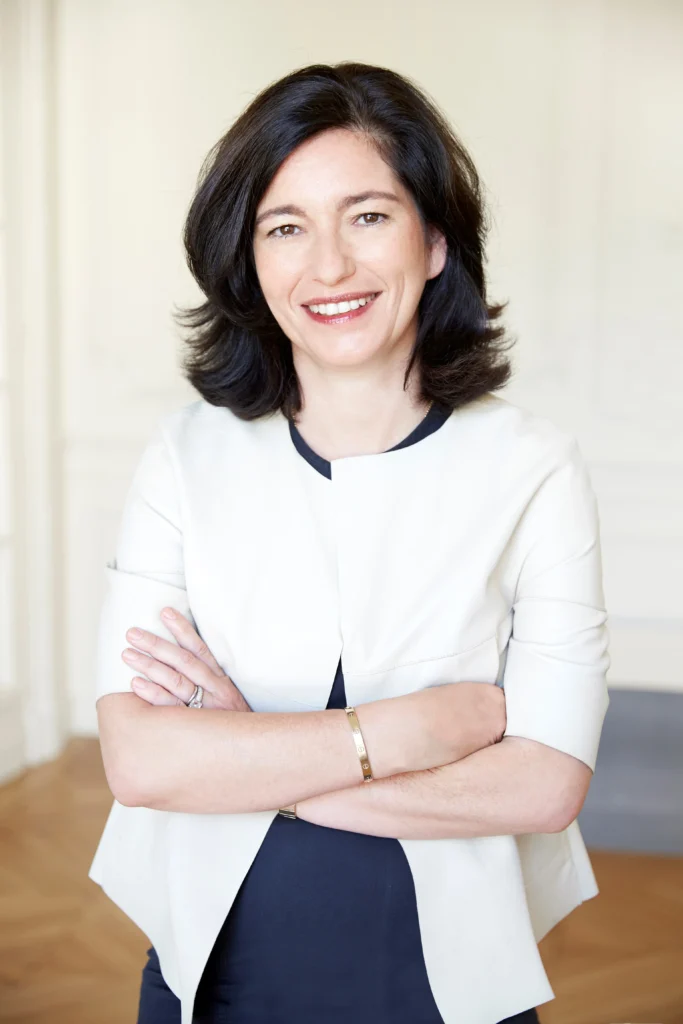
Marianne Romestain
The story of female leadership in watchmaking actually begins much earlier: Martha Wittnauer, in 1916, leads the family business after the death of the three founding brothers, becoming the first woman CEO of an American watch brand in history. During World War I, Martha Wittnauer pushes the company’s solid reputation (a pioneer from its origins, it was the first American company to import Longines watches) into new areas, such as aviation.
Wittnauer devices accompanied under his direction the first flight over the North Pole, the first transatlantic flight and the first solo flight across the Atlantic made by Amelia Earhart, inside her Lockheed Vega.
After her came Betty Fiechter, who took over as director of Blancpain in 1933, consolidating one of Switzerland’s oldest manufactures at a time when women were still excluded from top decision-making.
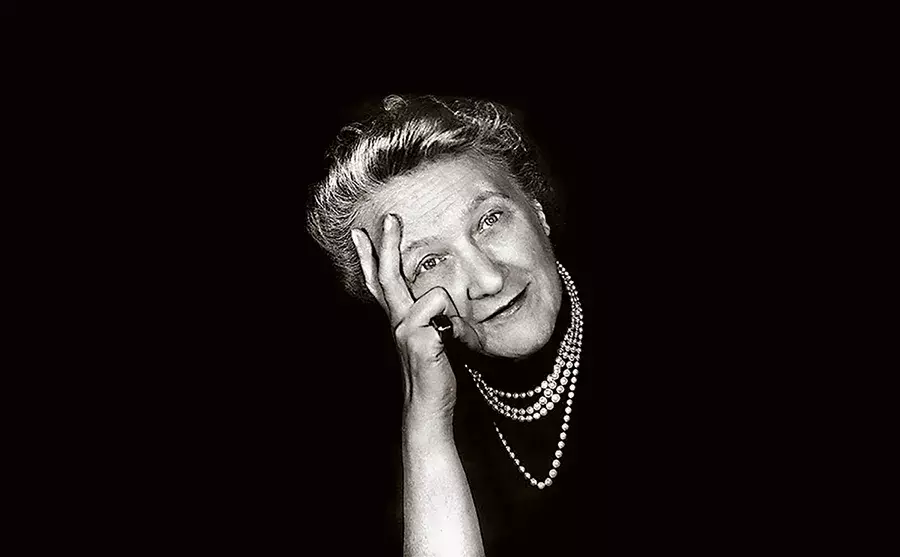
Betty Fiechter
Today the landscape is more articulated, though not yet equal. Sabina Belli has been CEO of Pomellato since 2015, with backgrounds at Ogilvy & Mather and Young & Rubicam, Giorgio Armani, Dior , and LVHM, before being appointed Executive Vice President of Bulgari in 2012. While Rebecca Ross is Vice President & Head of Sales at Christie’ s Watches, Ginny Wrighthas been CEO of Audermars Piguet America since January 2021. And from Chopard Italy came Simona Zito as the new general manager. The latest data available on the presence of women in top positions in the watch industry are reassuring.
Ilaria Resta, Audemars Piguet‘s first female CEO, leads more than 3,000 employees with a vision centered on innovation and circular leadership. With a background in the giant Firmench and 20 years at Procter & Gamble, away from the world of watches, she has brought to the manufacture a transversal and contemporary vision that is open to new things.
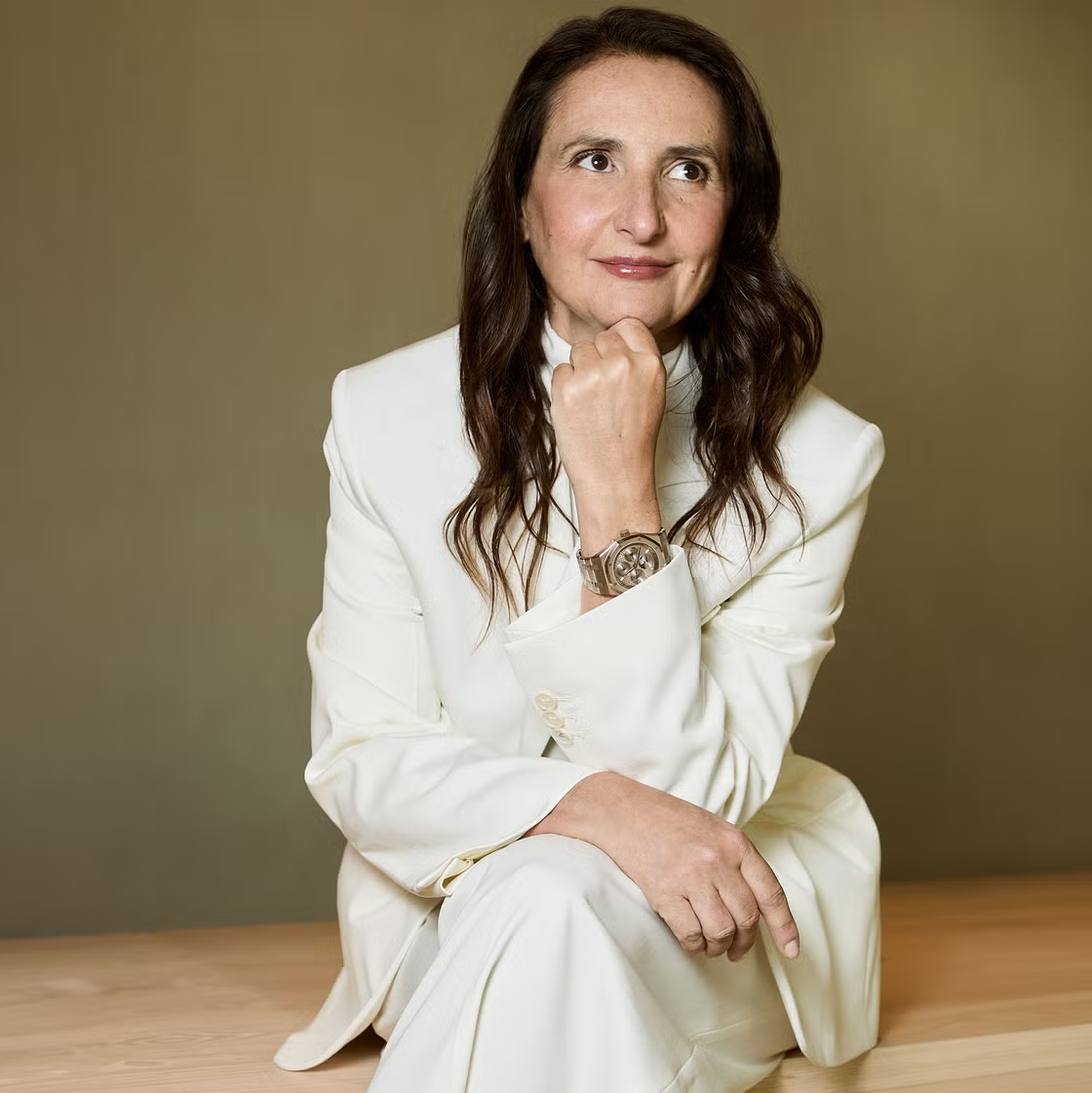
Ilaria Resta
Emblematic in this groove is the collaboration with Florentine designer Carolina Bucci born in 2016, which gives birth to Royal Oak Frosted Gold, a reinterpretation of Jacqueline Dimier’s creation decorated in Florentine finish. One woman continuing the legacy of another.
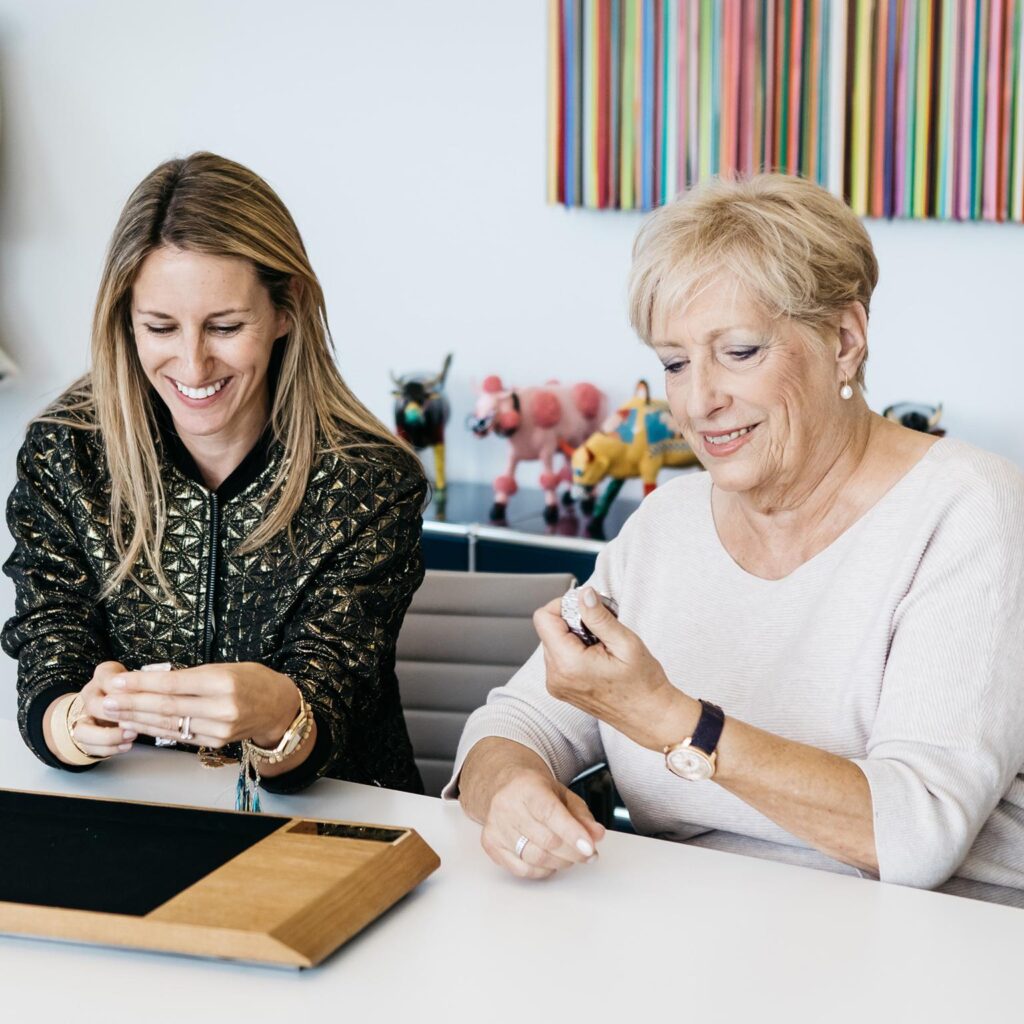
Carolina Bucci and Jacqueline Demier
Before her, Caroline Scheufele, co-president of Chopard with her brother Karl-Friedrich since 2001, redefined the language of the jeweled watch with the innovative use of colored titanium and the Happy Diamond Sport, a watch that combines mobile diamonds on steel in a decidedly unconventional combination.

Caroline Scheufele
Like her, it is Catherine Rénier. Who since being appointed CEO of Jaeger-LeCoultre in 2018 has made her mark by enhancing the maison’s historical heritage and savoir-faire. The Made of Makers program, which included collaborations with avant-garde artists and artisans from different disciplines, bears her signature. After many years at Richemont, where he has consistently held leadership roles since joining the group from Cartier in New York in 1999, he is now CEO of Van Cleef & Arpels.

Catherine Rénier
By contrast, Christine Hutter, founder and CEO of Moritz Grossmann, built a manufacture in Glashütte from scratch in 2008. She is trained in the world of restoration, reviving 19th and 20th century calibers of clocks, pocket watches, and wristwatches.
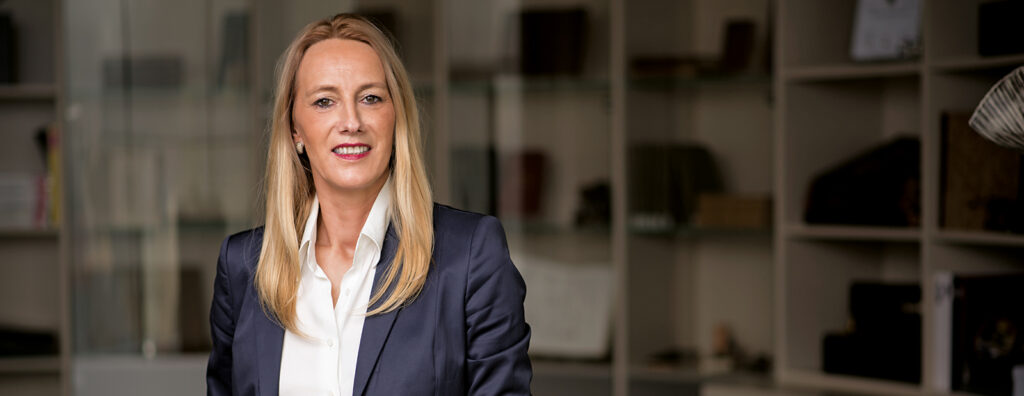
Christine Hutter
After moving to Switzerland, she decided to revive the historic legacy of master watchmaker Moritz Grossmann, and under his leadership, the Maison received the prestigious Red Dot Award in 2019. Today, 90 percent of the movements are produced in-house and almost half of the watchmaking team is made up of women, striking a virtuous balance between expertise and vision.
Conclusions
Scrolling through these portraits, a magnificent rose of strong, confident, talented and resourceful women emerge, attuned to the changes in society, regardless of their biographical data. This portfolio becomes a true moodboard of our time: a mosaic of diverse stories, united by a common denominator – hard-won authority, creative vision and uncompromising passion.
From the everyday precision of Ruth Belville to the strategic leadership of Ilaria Resta, from the poetry of Anita Porchet‘s dials to the innovations of Venla Voutilainen, each path tells the story of women’s ability to turn technique into art, dedication into authority, and dreams into creation.
Through the stories of these women, the watchmaking landscape appears in a new light: no longer an exclusively male realm, but an evolving ecosystem in which female talent, passion, and vision are no longer the exception, but a living force that continues to rewrite time, redefining what it means to create, lead, and innovate in watchmaking today.
Are you looking for the perfect gift? Explore our online store and discover the entire collection signed IWS – Italian Watch Spotter!
For all real-time updates on the world of watchmaking follow us on Instagram and visit our Youtube channel.